The rollout of 5G technology has introduced new challenges and opportunities in wireless communication. One of the most critical aspects of ensuring reliable performance in 5G devices is mmWave antenna testing. These tests are not just technical exercises; they are essential for delivering the speed, coverage, and reliability that consumers expect from next-generation networks.
This article will help you understand how antenna testing works and why it matters in the backbone of 5G innovation.
Understanding mmWave Frequencies in 5G
Millimeter-wave (mmWave) frequencies range between 24 GHz and 100 GHz. Unlike lower-frequency bands, mmWave signals can carry massive amounts of data at extremely high speeds. However, they are more easily blocked by obstacles such as walls, trees, and even human bodies. This makes antenna design and performance testing crucial.
Engineers must ensure that antennas can handle these frequencies while maintaining consistent connectivity in real-world environments. The ability to transmit and receive signals effectively at these frequencies is what makes 5G devices stand out from earlier generations.
Using Antenna Test Chambers to Replicate Environments
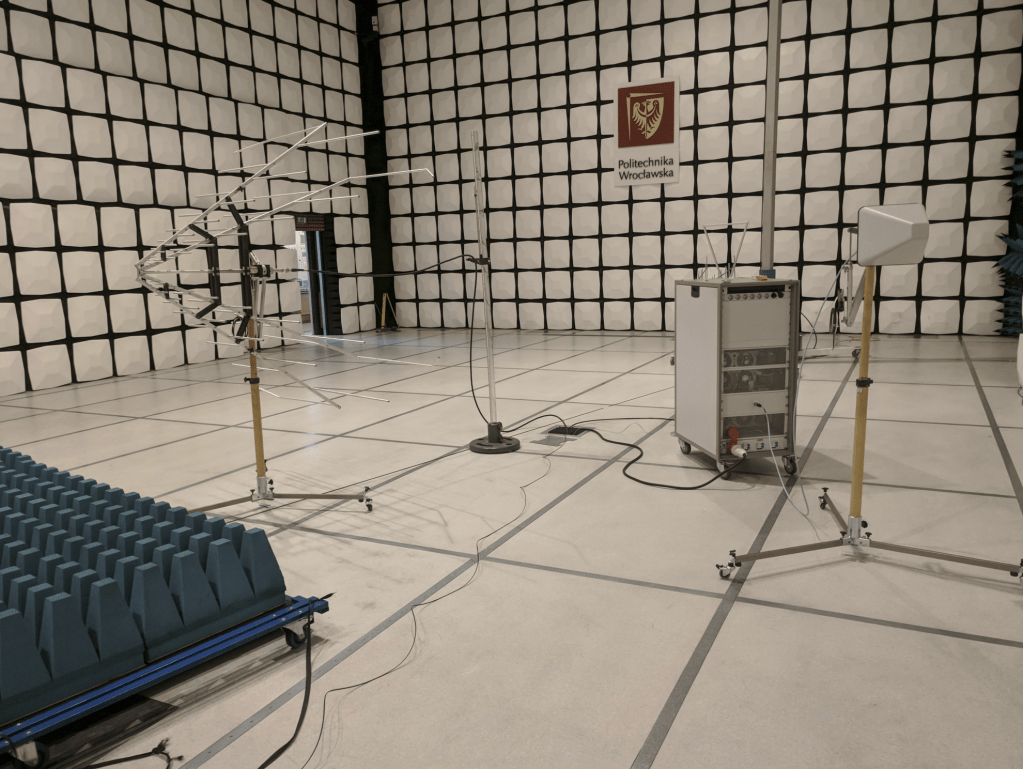
To evaluate performance, engineers use specialized antenna test chambers. These chambers are designed to replicate real-world conditions by isolating external interference and allowing precise measurement of signal strength, direction, and coverage. During an antenna test, devices are rotated and exposed to signals from multiple angles to assess how well they maintain connectivity.
This process helps identify weak spots in antenna design and ensures that devices can deliver reliable performance in everyday use. By simulating different environments, engineers can predict how antennas will behave in homes, offices, or outdoor spaces.
Measuring Beamforming and Signal Directionality
One of the defining features of mmWave antennas is beamforming. Instead of broadcasting signals in all directions, beamforming allows antennas to focus energy toward specific devices. Testing beamforming capabilities involves measuring how accurately and efficiently antennas can direct signals. Engineers look at parameters such as gain, efficiency, and coverage to ensure that the antenna can adapt to changing environments and user movement.
Without rigorous testing, devices could suffer from dropped connections or reduced speeds. Beamforming tests also help confirm that antennas can switch directions quickly, which is vital for mobile users who are constantly on the move.
Simulating Device Performance in Real-World Scenarios
Antenna testing goes beyond lab conditions. Engineers simulate scenarios such as crowded stadiums, busy city streets, and indoor environments to evaluate how antennas perform under stress. These tests help manufacturers fine-tune devices to handle interference, signal reflection, and user mobility.
By replicating these conditions, antenna test procedures ensure that 5G devices can deliver consistent performance whether users are streaming video at home or accessing cloud applications on the go. The ability to maintain strong connections in diverse environments is what makes 5G practical for everyday life.
Delivering Reliable Connectivity for Consumers
For consumers, antenna testing translates into better experiences with 5G devices. Reliable connectivity, faster download speeds, and reduced latency all depend on antennas that have been thoroughly tested. Without proper testing, devices could fail to meet expectations, leading to frustration and reduced adoption of 5G technology.
In short, antenna testing ensures that the promise of 5G—speed, reliability, and innovation—becomes a reality in everyday life. When users can trust their devices to perform consistently, they are more likely to embrace new applications such as augmented reality, smart homes, and connected vehicles.
Advancing mmWave Antenna Testing for the Future
As 5G networks expand, antenna testing will continue to evolve. New methods are being developed to test devices more efficiently and accurately, including over-the-air (OTA) testing and advanced simulation tools. These innovations will help manufacturers keep pace with the growing demand for high-performance devices.
Looking ahead, antenna testing will remain a cornerstone of ensuring that 5G technology delivers on its potential. As networks evolve toward 6G, the lessons learned from mmWave antenna testing will shape the next generation of wireless communication.
Conclusion
mmWave antenna testing is more than a technical requirement—it is the foundation of reliable 5G performance. By carefully measuring and refining antenna capabilities, engineers ensure that devices can handle the challenges of high-frequency signals.
For consumers, this means faster speeds, stronger connections, and a smoother digital experience. As 5G continues to expand, antenna testing will play a vital role in shaping the future of wireless communication.
 Devtrix
Leave a comment